How to Buy a Car at Auction in South Africa: A First-Timer's Guide
A vehicle auction is the shortest route between a bank that wants a loan settled and a buyer who wants a car for less than dealer money. There is no showroom markup and no salesperson working a commission. What there is instead is a clock, a room full of other bidders, and a car sold exactly as it stands.
That trade-off is fine once you understand it. This guide walks through the whole process as it actually works in South Africa — registering, inspecting, bidding, paying, and getting the vehicle home.
Where auction cars come from
Most stock at a repossession auction arrives one of three ways: a bank has recovered the vehicle after the finance agreement fell over, a fleet or rental company is cycling out older units, or an estate or liquidation is being wound up. Nobody in that chain is trying to make a retail margin. They want the asset converted to cash, which is why the hammer price is usually well under what the same car costs on a dealer floor.
It also explains the condition spread. A three-year-old fleet vehicle with full service history and a repossessed car that sat in a yard for eight months can appear in the same auction. The live auction listing shows year, mileage, fuel type and transmission for every lot, and that is your starting point, not your finishing point.
Step 1: Register before you fall in love with a car
Registration is free and it is the part first-timers leave too late. You create an account, verify your email and mobile number, and you are cleared to bid. Do it before the lot you want is closing, not while it is closing — register for a bidder account and get it out of the way.
Step 2: Work out what the car is actually worth
Before you look at the opening bid, decide independently what the vehicle is worth to you. Two reference points help:
- Retail comparison. Search the same year, model and mileage on the major listing sites. That is roughly what you would pay at a dealership with a warranty. Your auction price should be meaningfully below it, or there is no point.
- Real hammer prices. Our sold vehicle prices page shows what buyers actually paid for comparable lots recently. That is a far better guide than an asking price, because it is a completed transaction.
Step 3: Understand "voetstoots" before you bid
Almost every auction vehicle is sold voetstoots — as it stands, with whatever faults it has, known or unknown. There is no return window and no implied warranty. If the gearbox fails a week later, that is your gearbox.
This is not a trap; it is the reason the price is low. But it does mean the inspection is your responsibility, and it should change how you bid rather than whether you bid.
What to actually check
- Service history. A documented service book is worth more than any cosmetic detail. Gaps are not automatically disqualifying, but they should come off your maximum bid.
- Mileage against year. Roughly 20 000 to 25 000 km a year is normal in South Africa. Far below that on an older car is worth a second look, not automatic celebration.
- Panel gaps and paint finish. Uneven gaps or mismatched paint suggest accident repair. Ask.
- Tyres, glass and interior wear. These are the cheapest signals of how the car was treated, and the easiest to read from photographs.
You are welcome to inspect in person at our Randfontein warehouse before bidding. Weekdays 08:00–17:00 and Saturdays 09:00–13:00. Bring your ID and the lot number.
Step 4: Set your maximum bid — and include the extras
This is the step that costs first-time bidders the most money. Your maximum bid is not what you can afford to spend on the car. It is what you can afford to spend on the car minus everything else you will pay.
Budget for the hammer price plus buyer's commission, licensing and registration, transport if you are not collecting yourself, and a realistic repair allowance — a service, tyres and brakes on an unknown vehicle is a sensible reserve. Work backwards from your true ceiling to get your bid limit, write it down, and then hold it. The single most expensive habit at an auction is bidding one more increment because you have come this far.
Step 5: Bidding
Bidding is online, so you can take part from anywhere. Each lot has a closing time and a minimum increment. Two things worth knowing:
- Bidding early does not help you win, but it does tell other bidders there is interest.
- Watching the closing minutes matters more than the hours before them, because that is when most competition arrives.
If bidding is not for you, the pre-auction programme lets you buy selected vehicles at a fixed advertised price before they reach the floor. No clock, no competition — you pay the stated amount.
Step 6: Paying and collecting
Win the lot, settle the invoice, and we release the registration papers. Collection from the Randfontein warehouse is free and can usually happen the same working day that payment clears. If you would rather have it delivered, transport is quoted per lot before you bid — ask for the quote with the lot number so it goes into your maximum-bid calculation rather than surprising you afterwards.
If you need finance, check the vehicle finance options first. Getting pre-approved before the auction tells you your real ceiling, which is much more useful than discovering it after you have won.
Buying from outside Gauteng — or outside South Africa
Roughly half our buyers are not in Gauteng. Every province has its own delivery route and timing, and cross-border buyers in Botswana, Zimbabwe and Namibia have paperwork to arrange before the vehicle reaches the border. Those details are set out per market on the Botswana, Zimbabwe and Western Cape pages, among others.
The rule for cross-border buyers is the same as the rule for everyone else, just with more line items: budget the landed cost, not the hammer price. Duty, VAT and clearing fees are part of what the car costs you.
Frequently asked questions
Do I need a licence or special code to bid at a car auction?
No special licence is needed to bid. You register an account, verify your details, and you can bid on any live lot. You do need a valid driver's licence to drive the vehicle away, and your ID to register it in your name.
Can I inspect the vehicle before I bid?
Yes, and you should. Viewing runs at our Randfontein warehouse on weekdays 08:00–17:00 and Saturdays 09:00–13:00. Bring your ID and quote the lot number. If you cannot travel, every lot lists year, mileage, fuel type and transmission with photographs.
What happens if the car has a serious fault after I buy it?
Auction vehicles are sold voetstoots, which means as they stand, with all faults. There is no return window. This is why the inspection and the repair allowance in your maximum bid matter so much — build the risk into the number before you bid, not after.
Is buying at auction actually cheaper than a dealership?
Usually, yes — but compare total cost, not sticker price. Add commission, licensing, transport and a realistic repair reserve to the hammer price, then compare that against a dealer price that includes a warranty. On most repossession stock the auction still wins comfortably; on a low-mileage car needing nothing, the gap narrows.
Ready to start?
Browse what is on auction right now, or register a free bidder account so you are ready when the right lot appears. If anything here is unclear, the FAQ covers the rest, and the team will answer directly.
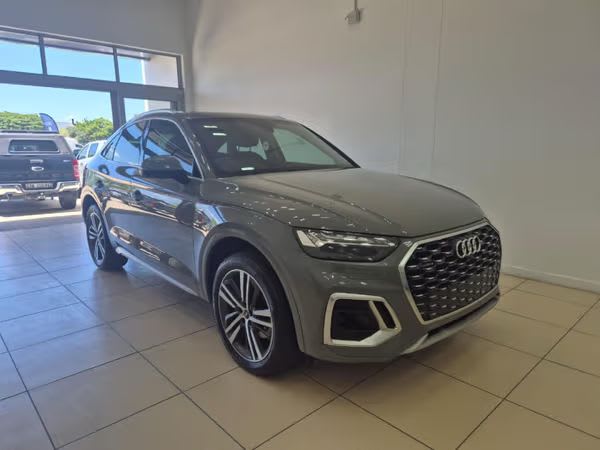 2022 Audi Q5 Sportback quattro S Line Auto | 40 TDI
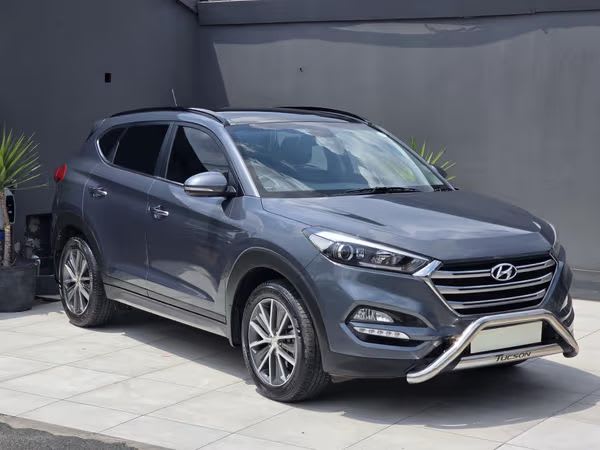 2017 Hyundai Tucson 2.0 Elite Auto
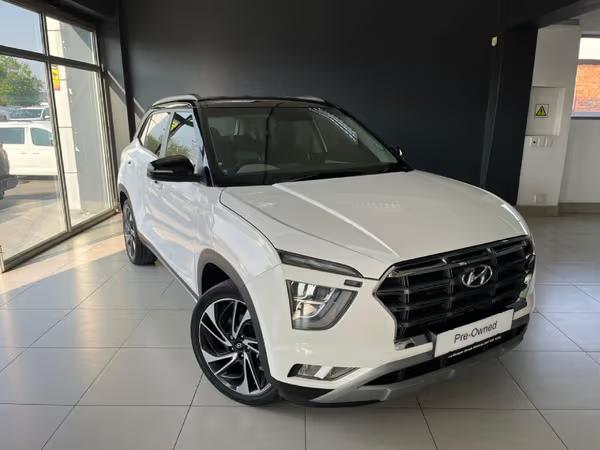 2021 Hyundai Creta 1.5D Executive Auto